Butterfly and Flower Silhouettes: A Creative Guide
The enduring appeal of Butterfly and Flower Silhouettes lies in their ability to strip away complexity and reveal the essential beauty of nature. In a design landscape often cluttered with gradients, textures, and hyper-realistic details, the stark contrast of black shapes against a white background offers a refreshing moment of clarity. These botanical and entomological outlines are not merely decorative; they are versatile tools that bridge the gap between artistic expression and practical application. Whether you are a seasoned graphic designer, a small business owner crafting a brand identity, or a hobbyist looking to personalize a home project, understanding how to leverage these minimalist assets can elevate your work significantly.
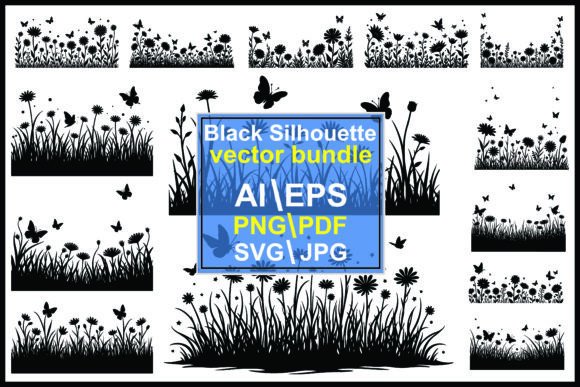
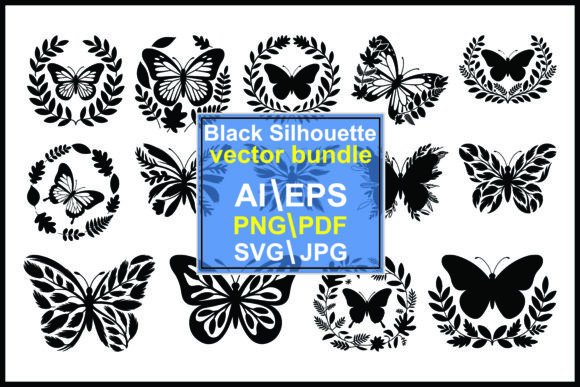
At its core, a silhouette reduces a subject to its most recognizable form. For butterflies, this means capturing the unique architecture of the wings—the sweep of the forewings, the delicate taper of the hindwings, and the subtle asymmetry that makes each species distinct. For flowers, it involves outlining the bloom's character, from the tight bud of a rose to the open face of a sunflower, often accompanied by the organic flow of leaves and stems. When combined, these elements create a floral nature theme that feels both timeless and contemporary. The absence of internal detail forces the viewer to focus on the outline, creating a bold visual statement that works equally well at large scales on wall murals and tiny scales on favicon icons.
Unlocking Versatility Across Formats
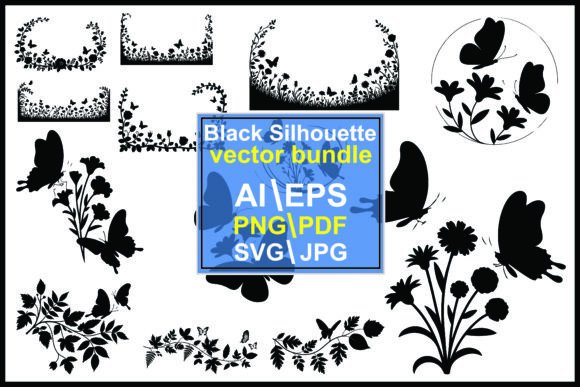
One of the greatest strengths of working with a comprehensive silhouette vector bundle is the flexibility it affords across different media. A high-quality collection typically provides files in multiple formats, ensuring compatibility with virtually any software or printing method. Imagine receiving a package containing JPG, PNG, AI, EPS, SVG, and PDF files, all compressed into a single zip archive. This variety is crucial for maintaining workflow efficiency.
For web designers and digital marketers, the SVG file is indispensable. Unlike raster images, SVGs remain crisp at any resolution, making them perfect for responsive websites where logos or icons must look sharp on both mobile screens and 4K monitors. The PNG file, with its transparent background capability, allows for immediate placement onto colored backgrounds or photographic overlays without the need for manual cropping. Conversely, print professionals and sign makers will find the AI, EPS, and PDF files essential. These vector formats allow for infinite scaling without pixelation, ensuring that a butterfly motif looks just as detailed on a business card as it does on a storefront window display. Having access to all these types in one download eliminates the friction of converting files and ensures consistency across your brand's visual touchpoints.
Creative Applications for Diverse Industries
The applications for black and white butterfly and flower silhouettes are limited only by imagination, but certain industries benefit particularly from their clean aesthetic. In the realm of branding, these motifs convey growth, transformation, and natural elegance. A wellness coach might use a delicate butterfly wing outline to symbolize personal transformation, while a botanical garden could employ stylized floral patterns to guide visitors through signage. Because the designs are minimalist, they integrate seamlessly into existing brand palettes; you can easily recolor a black silhouette to match specific hex codes without losing definition.
In the world of physical products, these silhouettes shine in cut-based manufacturing. Crafters using vinyl cutters or laser engravers rely heavily on clean paths found in vector files. The organic lines of a leaf or the symmetrical balance of butterfly wings translate perfectly into decals for laptops, stencils for painting, or etched designs on glass and wood. Entrepreneurs selling custom apparel can apply these graphics to t-shirts and tote bags, knowing that the high-contrast nature of silhouettes ensures visibility and impact even from a distance. Furthermore, educators can utilize these clear outlines for teaching materials, biology worksheets, or children's coloring books, where distinct borders help young learners identify plant and insect structures.
Design Strategies for Maximum Impact
To get the most out of these resources, consider the principles of composition and negative space. When arranging butterfly wings and floral elements, avoid clutter. The power of a silhouette often comes from what is left out. Try pairing a large, detailed flower silhouette with a smaller, simpler butterfly to create a sense of scale and depth. You can also experiment with repetition to create patterns. A seamless background of alternating leaves and insects can serve as a sophisticated texture for packaging paper or website backgrounds. Because the source files are often stylized yet detailed, they hold up well when tiled, providing a cohesive look that doesn't overwhelm the eye.
Consistency is key when adapting these designs for a specific project. If you are building a portfolio or a product line, select a subset of silhouettes that share a similar line weight or stylistic approach. Mixing overly artistic, sketchy outlines with rigid, geometric ones can create visual dissonance. Instead, curate a collection that feels unified. For instance, if your brand voice is soft and inviting, choose silhouettes with curved, flowing lines. If your message is bold and modern, opt for sharper, more defined edges. This thoughtful selection process ensures that your final output feels intentional and professional.
Practical Tips for File Management and Usage
Working with a bundle that contains a zip file of various formats requires a bit of organization to maintain productivity. Upon downloading, immediately extract the contents using tools like WinZip, WinRAR, or your operating system's built-in extractor. It is advisable to organize these files into folders by format (e.g., one folder for SVGs, another for PNGs) or by subject matter (e.g., "Butterflies," "Flowers," "Leaves"). This simple step saves valuable time when you are in the middle of a creative sprint and need a specific asset quickly.
Remember that these designs are intended for broad usage. Whether you are creating a commercial advertisement, a personal blog header, or an educational handout, the license usually permits flexible application. However, always add your own creative twist. Layer silhouettes over textured backgrounds, combine them with typography, or use them as masks for photographs. The goal is to use these botanical nature elements as a foundation upon which to build something unique. By treating these silhouettes as raw material rather than finished products, you unlock their full potential.
Ultimately, the value of a collection of black and white butterfly and flower silhouettes extends beyond the files themselves. It represents a toolkit for visual storytelling. In an era where attention spans are short, the immediate recognizability of a silhouette cuts through the noise. It offers a way to communicate ideas about nature, beauty, and growth with speed and elegance. Whether you are refining a corporate logo or decorating a nursery, these timeless forms provide a reliable and inspiring starting point for your next creative endeavor.