Unlocking Creative Potential with Camomile Line Art SVG and PNG Files
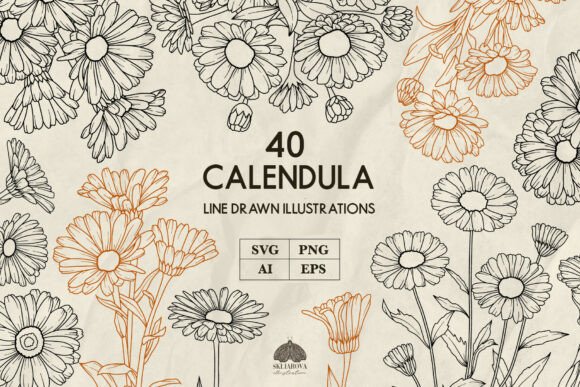
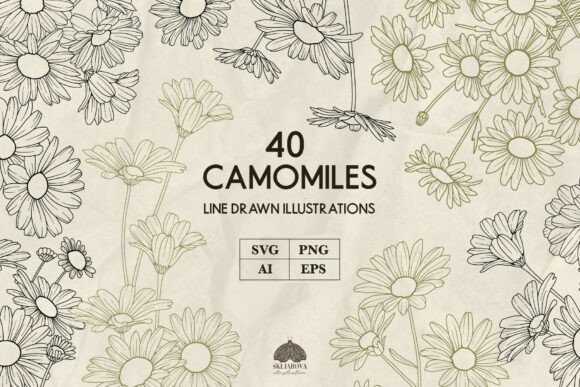
In the rapidly evolving landscape of digital design and handmade commerce, the demand for versatile, high-quality assets has never been higher. Creators, from seasoned graphic designers to hobbyists launching their first Etsy shop, are constantly searching for resources that bridge the gap between professional polish and authentic, hand-drawn charm. This is where Camomile Line Art SVG and PNG collections have become indispensable. These aren't just simple clipart; they represent a shift toward minimalist aesthetics and functional versatility in modern creative workflows. By integrating a comprehensive set of 40 hand-drawn camomile illustrations, frames, and decorative elements into your toolkit, you gain access to a resource that adapts seamlessly to both digital screens and physical products.
The relevance of line art, particularly botanical themes like the camomile flower, stems from a broader cultural movement toward simplicity and mindfulness. In an era dominated by complex digital interfaces and information overload, clean lines and organic shapes offer a visual respite. For entrepreneurs and marketers, utilizing these assets allows brands to project an image of approachability and natural elegance. Whether you are designing wedding invitations that require a delicate touch or creating sublimation designs for apparel that needs to stand out without being overwhelming, the utility of these files lies in their dual nature: they are artistic enough to serve as standalone pieces yet functional enough to act as supporting elements in larger compositions.
The Technical Advantage of Vector and High-Resolution Raster Formats
Understanding the technical specifications of your design assets is crucial for professional results. A robust collection of Camomile Line Art SVG and PNG files typically includes vector formats like AI, EPS, and SVG, alongside high-resolution raster images. The inclusion of vector files is perhaps the most significant advantage for serious creators. Vector graphics are mathematically defined paths rather than grids of pixels. This means that whether you are printing a tiny logo on a business card or enlarging a floral frame for a large-scale wall mural, the image retains its crispness. There is no pixelation, no blurring, and no loss of quality when scaling up or down.
Furthermore, the ability to edit vector files offers unparalleled flexibility. With AI and EPS formats, you can open the files in software like Adobe Illustrator or compatible free alternatives to manipulate the paths. You can change the stroke weight, alter the curvature of the petals, or, most importantly, change the color to your liking instantly. This adaptability is essential for brand consistency. If a client's wedding theme shifts from soft pastels to bold monochrome, a vector camomile illustration can be updated in seconds, saving hours of redesign work.
On the other hand, the PNG files included in such sets cater to users who prefer immediate usability without the need for specialized vector editing software. High-quality PNGs in these collections often feature transparent backgrounds and resolutions reaching 4100×4100 pixels at 300 DPI. This specification is critical for print-on-demand services and sublimation. A 300 DPI resolution ensures that when the image is printed on fabric, ceramic mugs, or high-grade paper, the edges remain sharp and professional. The transparent background eliminates the tedious task of manual removal, allowing creators to drag and drop elements directly into their projects within programs like Canva, Photoshop, or Procreate.
Aligning with Modern Design Trends and Consumer Preferences
The surge in popularity for botanical line art is not accidental; it mirrors current interior design and fashion trends. The "cottagecore" aesthetic, which celebrates rural life, nature, and simplicity, has permeated various markets, from home decor to lifestyle blogging. Camomile flowers, with their association with calmness and healing, fit perfectly into this narrative. Consumers today are increasingly drawn to products that feel authentic and handcrafted, even if they are mass-produced. Using hand-drawn illustrations rather than generic, computer-generated shapes adds a layer of perceived value and human connection to a product.
This shift influences how businesses approach their visual identity. A coffee shop owner might use these floral elements on their packaging to suggest organic ingredients and a relaxing atmosphere. A wellness blogger could incorporate them into social media templates to evoke a sense of tranquility. The versatility of having 40 different illustrations, including full blooms, buds, leaves, and frames, allows for a cohesive visual language across different platforms. Instead of mixing and mismatched styles, a creator can build an entire brand identity around a single, consistent botanical theme.
Moreover, the trend toward personalization in the gifting market makes these assets particularly valuable. Customized items, such as pillows with embroidered-style line art or t-shirts with unique floral arrangements, command higher price points. The detailed nature of hand-drawn camomile allows for intricate designs that look sophisticated on textiles. When used in sublimation design, the fine lines of the vector art translate beautifully onto fabric, maintaining detail even after washing and wearing.
Practical Applications Across Industries and Hobbies
The practical implications of owning a diverse set of Camomile Line Art SVG and PNG files extend far beyond simple decoration. For the crafting community, specifically those using cutting machines like Cricut or Silhouette, SVG files are the gold standard. These machines read the vector paths to cut vinyl, heat transfer vinyl (HTV), or cardstock with precision. A user can easily separate the layers of a complex floral arrangement to create multi-colored decals or use the single-line drawings for elegant script-style cuts on wedding favors.
In the realm of event planning and stationery, these assets streamline the production of wedding cards, save-the-dates, and menu cards. The frames and decorative elements included in a comprehensive set allow designers to construct borders that frame text beautifully without overpowering the content. Because the files are scalable, a designer can create a digital proof for email approval and then send the same file to a professional printer for high-volume production, confident that the output will match the screen preview.
Educators and content creators also find immense value in these resources. For those developing worksheets, planners, or digital journals, the clean lines of camomile illustrations provide structure without visual clutter. They can be used as bullet points, section dividers, or watermark backgrounds. The neutral nature of line art ensures that it complements various color schemes and typography choices, making it a safe yet stylish choice for educational materials that need to be engaging but not distracting.
Maximizing Workflow Efficiency
Integrating these assets into your workflow can significantly reduce turnaround times for client projects. Instead of sketching original botanical illustrations from scratch—a process that requires artistic skill and time—professionals can start with a high-quality base. The ability to modify colors and arrangements means that each project can still feel unique. For example, a freelancer working on a series of social media posts for a herbal tea brand can use the same set of camomile flowers but vary the coloring and composition for each post, maintaining brand recognition while keeping the feed fresh.
Additionally, the compatibility of these files with a wide range of software ensures that they fit into existing pipelines. Whether a team uses the Adobe Creative Cloud suite, Affinity Designer, or web-based tools, the standard formats (SVG, AI, EPS, PNG) ensure seamless integration. This interoperability is vital for collaborative environments where files may need to be passed between a graphic designer, a marketing manager, and a print vendor.
Future-Proofing Your Creative Assets
As technology advances, the need for adaptable content grows. We are seeing a rise in augmented reality (AR) applications and dynamic web design where assets need to perform well across different resolutions and devices. Vector-based line art is inherently future-proof because of its scalability. As screen densities increase with new smartphones and tablets, vector graphics will continue to render perfectly, whereas low-resolution raster images will quickly become obsolete. Investing in a high-quality set of Camomile Line Art SVG and PNG files is an investment in longevity.
Furthermore, the timeless appeal of botanical subjects ensures that these designs do not succumb to fleeting trends as quickly as abstract or highly stylized graphics might. Flowers have been a staple of design for centuries, and the line art style strips them down to their essential beauty, making them relevant regardless of the current color palette or design fashion. This enduring quality makes them a smart choice for businesses looking to establish a long-term visual identity without needing frequent rebrands.
In conclusion, the intersection of artistic charm and technical utility found in modern camomile illustration sets offers a powerful tool for today's creators. By leveraging the scalability of vector files and the convenience of high-resolution PNGs, professionals and hobbyists alike can elevate their projects. From the intricacies of sublimation printing on fabrics to the delicate framing of wedding invitations, these assets support a wide array of applications. As the market continues to favor authentic, nature-inspired designs, having a versatile library of hand-drawn floral elements positions you to meet consumer demands with efficiency and style. The key lies not just in possessing the files, but in understanding how to manipulate and apply them to create meaningful, high-quality outcomes in a competitive digital world.