Elevating Interiors: A Practical Guide to Intricate Laser-Cut Ornamental Panels
The evolution of interior design has increasingly favored elements that blend structural function with artistic expression. Among the most versatile tools in this domain are intricate laser-cut ornamental panels. These components represent a convergence of digital precision and traditional craftsmanship, allowing for the creation of complex patterns that would be nearly impossible or prohibitively expensive to achieve through manual carving. Whether utilized as a room divider, a decorative screen, or a subtle wall accent, these panels offer a unique method for manipulating light, shadow, and spatial perception within a home or office environment.
Understanding the value of these panels requires looking beyond their aesthetic appeal to the technical processes that create them. Unlike mass-produced molded plastics or hand-carved wood which can suffer from inconsistency, laser-cut designs are generated from vector files—such as SVG, EPS, or PNG formats—and executed with sub-millimeter accuracy. This ensures that every floral motif, geometric lattice, or symmetrical filigree is identical across multiple units, providing a cohesive look essential for large-scale architectural applications.
Material Considerations and Functional Tradeoffs
One of the primary decision factors when selecting ornamental panels is the material substrate. The term "laser-cut panel" is an umbrella category that encompasses various mediums, each bringing distinct strengths and limitations to a project. The most common materials include Medium Density Fiberboard (MDF), solid wood, acrylic, and metal sheets.
MDF and Wood Panels: For those seeking a warm, organic aesthetic, wood-based panels are often the first choice. MDF is particularly popular in interior styling due to its smooth surface, lack of grain interference, and cost-effectiveness. It accepts paint exceptionally well, allowing for custom color matching that integrates seamlessly with existing decor. Solid wood offers a premium feel and natural grain variation but comes at a higher price point and requires more maintenance regarding humidity and temperature changes. Both materials are excellent for room dividers and furniture decoration, offering sufficient rigidity for freestanding structures while remaining light enough for easy installation.
Metal and Acrylic Options: When durability and modern aesthetics are paramount, metal art panels (typically aluminum or steel) and acrylic screens provide superior alternatives. Metal panels are ideal for exterior privacy screens or high-traffic commercial areas where resistance to weather and impact is necessary. They introduce an industrial or contemporary luxury vibe, often used in facade cladding or decorative grills. Acrylic, on the other hand, allows for translucency. When backlit, acrylic laser-cut panels transform into glowing art pieces, making them suitable for feature walls in hospitality settings or modern living rooms. However, acrylic can be prone to scratching, and metal requires specialized finishing to prevent corrosion if not properly treated.
Comparing Design Approaches: Geometric vs. Organic Motifs
The versatility of intricate laser-cut ornamental panels lies in the diversity of available patterns. Consumers generally choose between two dominant stylistic categories: geometric designs and organic floral motifs. Each approach impacts the visual weight and atmosphere of a space differently.
- Geometric Designs: Characterized by repeating lines, angles, and symmetrical shapes, geometric patterns align well with modern and minimalist interiors. They create a sense of order and rhythm. In terms of functionality, geometric cutouts often provide more consistent privacy levels because the distribution of open space is uniform. These are frequently selected for office decor and contemporary partitions where a clean, professional look is desired.
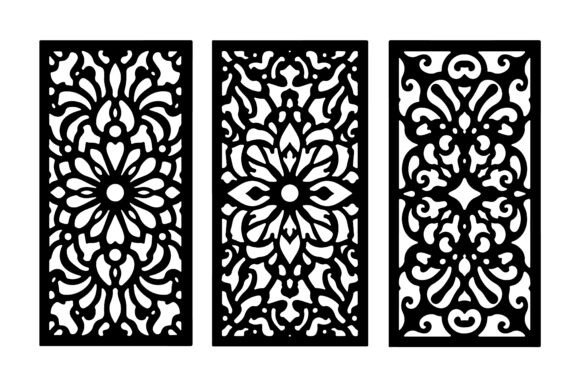
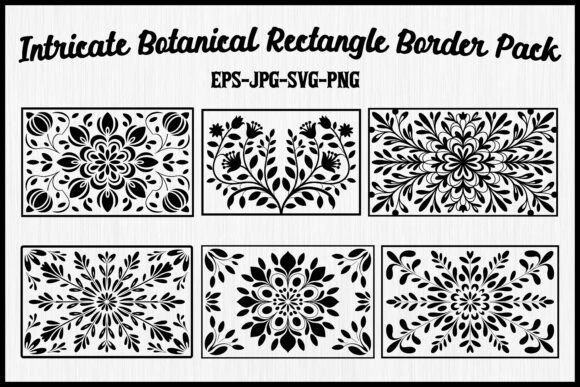
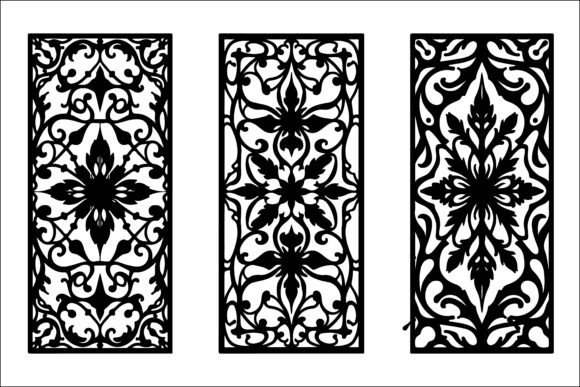
- Floral and Vintage Styles: Organic patterns, including vines, leaves, and intricate filigree, introduce softness and movement. These designs are reminiscent of traditional wood carving but executed with the sharpness of laser engraving. They work best in spaces aiming for a classic, bohemian, or eclectic vibe. While visually stunning, highly detailed floral motifs can sometimes compromise structural integrity if the "bridges" connecting the design elements are too thin, particularly in softer materials like thin MDF.
When evaluating designs, it is crucial to consider the scale of the pattern relative to the panel size. A dense, small-scale pattern viewed from a distance may appear as a solid texture, whereas a large-scale motif serves as a bold focal point. The interplay of light is also critical; intricate carvings cast dynamic shadows that change throughout the day, adding a layer of depth that flat wall coverings cannot replicate.
Functional Applications Beyond Aesthetics
While often categorized under home decor, these panels serve several pragmatic functions that address common architectural challenges. Their ability to act as a privacy screen without completely blocking light or air circulation makes them invaluable in open-concept layouts.
Spatial Division: In studio apartments or large lofts, creating distinct zones without building permanent walls is a frequent requirement. A stylish partition made from laser-cut panels defines a sleeping area or home office while maintaining an airy feel. Unlike solid drywall or heavy curtains, these screens allow sound and light to permeate, preventing the space from feeling cramped.
Concealment and Ventilation: Another practical application is the concealment of unsightly utilities. Radiator covers, HVAC vents, and electrical boxes can be disguised behind decorative grills that match the room's theme. Because laser cutting allows for precise perforation, these covers do not impede airflow, ensuring that heating and cooling systems remain efficient. This dual purpose of hiding infrastructure while enhancing visual appeal is a hallmark of thoughtful interior styling.
Furniture Accents: On a smaller scale, these panels are increasingly used in custom furniture. Cabinet doors, headboards, and table bases featuring laser-cut inserts add a bespoke touch to standard furnishings. This approach allows homeowners to upgrade existing furniture pieces rather than replacing them entirely, aligning with sustainable home improvement practices.
Limitations and Installation Realities
Despite their many advantages, intricate laser-cut ornamental panels are not a universal solution for every design problem. Potential buyers must weigh certain limitations before committing to a purchase.
First, structural strength is directly correlated to the density of the cut pattern. A panel with 60% open space will be significantly weaker than one with 20% open space. For large spans, such as a full-height room divider, additional framing or thicker material gauges may be required to prevent warping or sagging over time. Second, maintenance can be challenging depending on the complexity of the design. Deeply intricate patterns with many nooks and crannies can accumulate dust, requiring regular cleaning with compressed air or soft brushes to maintain their pristine appearance.
Furthermore, while customization is a key selling point, it often leads to longer lead times and higher costs compared to off-the-shelf solutions. Custom sizes or unique vector designs require specific machine setup and programming. Consumers looking for immediate fixes may find stock designs more practical, whereas those prioritizing a unique, tailored look should anticipate a longer production timeline.
Making the Right Choice for Your Space
Selecting the appropriate panel involves balancing aesthetic goals with practical constraints. If the priority is cost-efficiency and ease of painting for a rental property or temporary setup, MDF panels with standard geometric patterns are likely the best fit. For high-end residential projects or exterior applications where longevity is non-negotiable, investing in powder-coated metal or hardwood panels is advisable.
It is also worth considering the installation method. Some panels are designed to be mounted flush against a wall as an accent, requiring simple adhesives or screws. Others function as freestanding screens, necessitating stable bases or ceiling tracks. Understanding the mounting requirements early in the planning phase prevents costly modifications later.
Ultimately, intricate laser-cut ornamental panels offer a sophisticated bridge between art and architecture. They provide a customizable, precise, and visually compelling way to define spaces, manage privacy, and inject personality into an environment. By carefully evaluating material properties, design scales, and functional needs, homeowners and designers can leverage these tools to create interiors that are both beautiful and purposeful. Whether opting for a vintage-inspired floral screen or a sleek, modern metal partition, the key lies in choosing a solution that harmonizes with the broader narrative of the space.