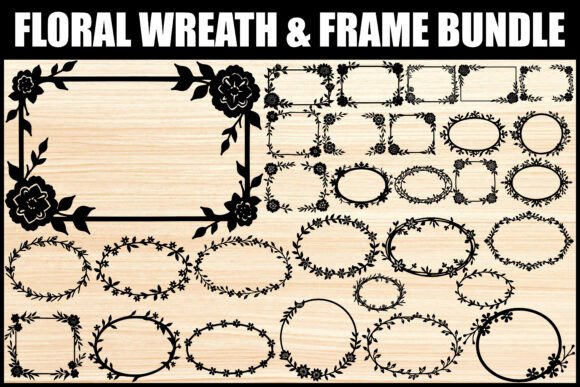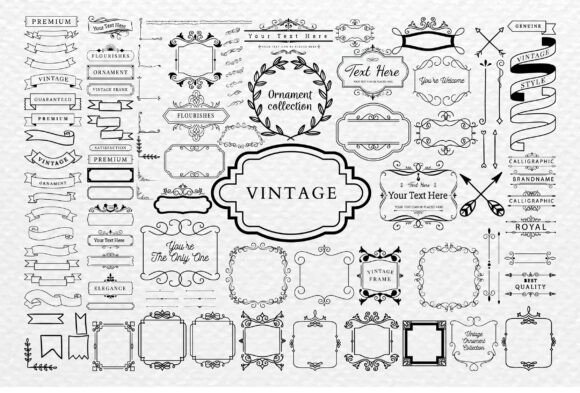
Elevate Designs with Hand Drawn Frames
In a digital landscape often dominated by sleek, pixel-perfect geometry, there is a growing demand for assets that feel human, tactile, and authentic. This is where Hand Drawn Frames, Banners Ribbons become indispensable tools for the modern creative professional. These elements inject warmth and personality into visual communication, bridging the gap between sterile digital interfaces and the organic charm of traditional sketching.
Integrating hand-drawn aesthetics into your workflow does more than just decorate a page; it establishes an immediate emotional connection with the audience. Whether you are crafting a brand identity that needs to feel approachable or designing marketing materials that must stand out in a crowded feed, the imperfect lines and whimsical shapes of doodle-style vectors offer a unique competitive edge. They signal creativity, care, and a departure from the generic templates that saturate the market.
The Strategic Value of Organic Design Elements
From a professional graphic design perspective, the utility of ornate frames and vintage ribbon banners extends far beyond simple embellishment. These assets play a critical role in establishing visual hierarchy. A well-placed hand-drawn border can guide the viewer's eye directly to key information, while a custom ribbon banner can highlight a call-to-action without the aggressive feel of a standard rectangular button.
When applied to branding and logo design, these elements help define a distinct brand voice. A coffee shop, a boutique bakery, or an artisanal craft store can leverage these sketches to communicate heritage and craftsmanship. The linear illustration style suggests a "made-by-hand" quality that resonates deeply with consumers seeking authenticity. Furthermore, because these assets are vector-based, they maintain crisp edges at any scale, ensuring your brand identity remains sharp from a business card to a billboard.
Versatile Applications Across Media
The true power of a comprehensive design set lies in its adaptability. A robust collection containing hundreds of file formats allows designers to seamlessly integrate these elements into diverse projects. Here is how you can leverage these assets effectively:
- Social Media Graphics: Use cute cartoon elements and abstract art shapes to create engaging Instagram stories or Pinterest pins that stop the scroll.
- Editorial Design: Incorporate decorative borders into magazines or zines to break up text and add visual interest to long-form content.
- Packaging Design: Apply retro design graphics to product labels to evoke nostalgia and premium quality on shelf displays.
- Wedding Invitations: Utilize ornate frames and floral doodles to create romantic, personalized stationery that feels bespoke.
- Web and UI Design: Soften rigid layouts with hand-sketched dividers or background patterns to improve user experience and reduce visual fatigue.
Technical Flexibility for Professional Workflows
For designers who prioritize efficiency and compatibility, the format of your creative assets is just as important as their aesthetic appeal. A high-quality set should provide maximum flexibility to fit into any design workflow. Imagine having access to a library that includes 01 AI file format for direct editing in Adobe Illustrator, 01 EPS file format for universal vector compatibility, and 01 DXF file format for CAD or cutting machine integration.
Moreover, having 108 SVG file formats ensures web-ready scalability for developers and UI designers, while 108 PDF file formats offer reliable print-ready options for commercial presses. Finally, 108 PNG file formats with transparent backgrounds allow for instant drag-and-drop usage in raster-based software like Photoshop or Canva. This breadth of file types eliminates the friction of conversion, allowing you to focus on composition, color palette selection, and typography rather than technical troubleshooting.
Tips for Effective Implementation
To ensure these elements enhance rather than clutter your design, consider the following best practices:
- Maintain Consistency: Stick to one style of line weight and texture throughout a single project to preserve visual cohesion.
- Respect White Space: Hand-drawn elements thrive when given room to breathe; avoid overcrowding the frame or banner.
- Pair with Complementary Typography: Match the casual nature of doodles with handwritten fonts, or create contrast by pairing them with clean, modern sans-serifs.
- Customize Colors: While black and white offers a classic look, adapting the stroke color to match your specific color palette can unify the asset with your overall brand system.
Ultimately, the goal of using resources like Hand Drawn Frames, Banners Ribbons is to elevate the narrative of your design. When selected and applied with intention, these assets transform standard layouts into memorable visual experiences. They remind the audience that behind every pixel, there is a human touch. For those seeking the highest level of customization, remember that tailored solutions are often the key to standing out. If you require a unique adaptation of these styles for a specific print-on-demand store or a complex branding campaign, reaching out for a custom design service can ensure your vision is executed with precision and flair.