Cultivating Joy: Why "Books and Readers. Happy People Read" Defines the Modern Creative Lifestyle
In an era dominated by ephemeral digital content, algorithmic feeds, and the constant ping of notifications, a profound shift is occurring among professionals, creators, and entrepreneurs. There is a returning appreciation for the tangible, the deliberate, and the deeply immersive experience of reading. This movement is encapsulated perfectly by the emerging aesthetic and philosophy known as Books and Readers. Happy People Read. It is not merely a slogan; it is a declaration of intent to prioritize mental well-being, continuous learning, and the quiet joy found in turning pages.
This concept resonates deeply with the modern workforce because it addresses a critical pain point: cognitive overload. As we navigate complex markets and rapidly evolving technologies, the ability to focus has become a scarce commodity. The phrase Books and readers. Happy people read and study suggests a direct correlation between the act of deep reading and personal fulfillment. It posits that happiness is not found in the next viral trend, but in the steady accumulation of knowledge and the serene environment created around the reading ritual.
The Intersection of Wellness and Intellectual Pursuit
The rise of Books and Readers. Happy People Read fits seamlessly into broader lifestyle and consumer trends that emphasize holistic wellness. For years, the self-care industry focused primarily on physical health and mindfulness meditation. However, there is a growing recognition that intellectual stimulation and the peace derived from analog activities are equally vital components of a balanced life.
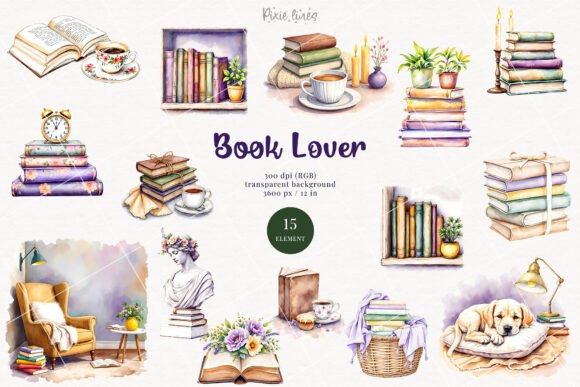
Consider the visual language often associated with this movement: book piles, houseplants, cat, tea and coffee cup. These are not random decorative choices; they are semantic signals of a specific workflow and mindset. The presence of houseplants indicates a desire to bring nature indoors, improving air quality and reducing stress. The cat represents companionship and the slowing down of time. The tea or coffee cup signifies a pause, a moment of reflection before diving into text. Together, these elements create a sanctuary—a dedicated space where the outside world fades away, allowing the reader to engage fully with the material at hand.
For marketers and brand strategists, understanding this aesthetic is crucial. Consumers are increasingly drawn to brands that acknowledge the need for slowness and depth. A campaign that utilizes a hand drawn cartoon hobby decorative set featuring a young person read book with tea and cat illustration taps into a nostalgic yet forward-looking sentiment. It appeals to the audience's desire for authenticity and warmth, contrasting sharply with the sterile, high-gloss imagery of the tech boom years.
Changing Workflows and the Demand for Deep Work
Why are people paying attention to this now? The answer lies in the changing nature of work itself. Freelancers, entrepreneurs, and remote workers often struggle with the blurring lines between professional output and personal downtime. The traditional office provided physical boundaries; the home office requires psychological ones.
Adopting the ethos of Books and Readers. Happy People Read offers a practical solution. By curating a physical space that encourages reading and study, professionals create a trigger for "deep work." When one sits surrounded by books and greenery, holding a warm mug, the brain shifts gears from reactive mode (answering emails, scrolling social media) to proactive mode (learning, analyzing, creating).
This shift is reflected in how individuals organize their daily routines. We are seeing a move away from multitasking toward monotasking. The workflow of the future successful creator involves blocking out time specifically for study and reading, treating it with the same reverence as a client meeting. This is not just about leisure; it is about strategic upskilling. In a knowledge economy, the ability to synthesize information from books provides a competitive edge that quick online articles cannot match.
Practical Applications for Creators and Businesses
Integrating this philosophy into your professional life or business strategy does not require a complete overhaul. It begins with small, intentional adjustments to your environment and habits. Here are several ways to embrace this trend:
- Curate Your Physical Space: Dedicate a corner of your home or office to reading. Incorporate natural elements like houseplants to improve ambiance. Ensure good lighting and comfortable seating to encourage longer sessions.
- Establish Rituals: Pair your reading time with a specific beverage, such as tea and coffee. This sensory cue helps condition your mind to enter a state of focus whenever you pick up your cup and book.
- Diversify Your Input: Move beyond industry news. Explore fiction, history, and philosophy. The cross-pollination of ideas from different genres often sparks the most innovative business solutions.
- Visual Storytelling: If you are a content creator, utilize visuals that reflect this calm, studious atmosphere. Using assets like a hand drawn cartoon hobby decorative set can make your content feel more approachable and human-centric.
- Community Building: Start a book club or a study group within your network. Sharing insights fosters connection and accountability, reinforcing the idea that happy people read and study together.
The Broader Market Implications
The resonance of Books and Readers. Happy People Read extends beyond individual habits; it influences product design, interior decor, and even software development. We are seeing a surge in apps designed to limit screen time and promote reading goals. Furniture companies are launching lines specifically tailored for home libraries, emphasizing comfort and ergonomics. Publishers are experimenting with formats that appeal to the aesthetic sensibilities of this demographic, focusing on high-quality paper, beautiful typography, and cover art that looks good on a shelf—and on an Instagram feed.
Furthermore, this trend highlights a saturation point with purely digital consumption. While technology remains indispensable, there is a counter-movement seeking balance. The "digital detox" is no longer a vacation activity; it is a weekly, or even daily, practice. The image of a young person read book with tea and cat illustration serves as an aspirational icon for this balance. It reminds us that technology should serve us, not consume us. By reclaiming time for books, we reclaim our attention spans.
Future Outlook: Sustaining the Habit
As we look forward, the integration of reading into the professional lifestyle will likely deepen. The distinction between "work" and "learning" will continue to blur, with reading becoming a core KPI for personal development. Organizations that encourage a culture of reading—providing stipends for books, creating quiet zones, or hosting author talks—will attract top talent who value growth and mental clarity.
Moreover, the aesthetic associated with Books and readers. Happy people read and study will continue to evolve. It will move from a niche internet trend to a mainstream standard for productive living. The visual markers—stacks of books, thriving plants, pets, and warm beverages—will remain universal symbols of a life well-lived and a mind well-fed.
In conclusion, the message is clear. In a noisy world, silence and focus are luxuries. By embracing the principles behind Books and Readers. Happy People Read, professionals and enthusiasts alike can cultivate a richer inner life and a more effective outer practice. It is an invitation to slow down, to brew a cup of tea, to pet the cat, and to open a book. In doing so, we do not just pass the time; we invest in ourselves, finding happiness in the journey of continuous learning and discovery.
Let us remember that every great innovation, every successful campaign, and every breakthrough idea often starts with a single page turned in a quiet room. The path to a happier, more productive future is written in the books we choose to read today.